.webp)
7 Ways to Use Rose in Ayurveda for Cooling Body and Mind

Years ago, someone described rose as a "refrigerant" to me, and I was immediately hooked!
I can feel the scent of rose almost immediately cooling and settling my mind. It's one of the essential oils I always make sure is in my suitcase when traveling so I can experience the cooling relief.
I use rose water to spritz my eyes, rose essential oil for meditation or for making a rose milk bath (when I have access to a tub), rose water in my summer nighttime milk recipe, and rose petals steeped into a cooling tea that soothes the digestive tract.
Once, while living in the Himalayas during the pandemic, I made homemade rose gulkand (jam). Yum!
That sweet, cooling jam became a constant reminder of how powerfully plants can settle us. Whether you are navigating seasonal heat or the internal fire of a busy week, learning how to use rose can transform how you restore balance.
Quick Look
Cooling Energetics: Rose (Shatapatri) carries sweet, bitter, and astringent qualities that calm excess heat without dampening digestion.
Sadhaka Pitta Support: Its soothing aroma and taste clear emotional reactivity, irritability, and stress held in the heart center.
Versatile Daily Rituals: Easy practices range from morning eye spritzes and digestive gulkand to evening rose tea, baths, and warm nighttime milk.
Traditional Wisdom: Classical texts like the Bhavaprakasha Nighantu highlight rose as a Hridya (heart-soothing) tonic and Hima (cooling) remedy.

Contents
The Emotional and Physical Heat Connection
Understanding how heat moves through us begins with noticing where physical warmth and emotional tension cross paths. To see why rose works so well, we first need to look at how internal fire changes the way we feel and react.
How Heat Affects Our Mood and Mind
When external temperatures rise or daily schedules become demanding, heat accumulates within the body in ways that go beyond sweat. High temperatures, constant computer work, and ongoing stress generate an internal fire.
In our bodies, excess heat tends to rise. It moves into the circulatory system and impacts the nervous system, creating a felt sense of urgency.
When the internal environment runs hot, patience thins, small frustrations feel amplified, and emotional ease becomes difficult to maintain.
The body and mind respond to external heat and emotional heat in tandem: as circulation speeds up and internal dryness builds, the mind naturally feels tense and reactive.
Understanding Sadhaka Pitta: The Ayurvedic Emotional Center
Ayurveda explains this mind-body connection through the lens of Pitta dosha, the metabolic energy made of fire and water.
While Pitta governs digestion and transformation throughout the gut and body, it also operates through specialized sub-doshas. The specific energy overseeing our emotional landscape is known as Sadhaka Pitta.
Located in the heart space and brain, Sadhaka Pitta is responsible for digesting life experiences, processing emotions, and maintaining clarity of purpose.
When Sadhaka Pitta is balanced, we process life's ups and downs with resilience, warmth, and steady focus.
When excess heat builds up, Sadhaka Pitta becomes overheated. This manifests physically as tightness in the chest or flushing of the skin, and emotionally as perfectionism, irritability, or feeling burnt out. If you notice emotional heat rising, try using natural remedies for anger and irritability to restore emotional ease.
Because the heart space serves as the energetic center for both emotional processing and physical circulation, cooling Sadhaka Pitta requires herbs that specifically target the blood, heart, and subtle channels of the mind.
Why Rose in Ayurveda is the Ultimate Cooling Remedy
This is precisely where rose (Shatapatri) excels.
The unique Ayurvedic properties of rose feature a unique combination of sweet, bitter, and astringent qualities. It calms excess heat without disrupting digestive function.
The sweet flavor of rose nourishes fatigued tissues, while its astringent nature gently firms vascular channels, calms inflammation, and clears excess Pitta.
When the aroma or taste of rose enters the body, it immediately soothes the heart space, settling the hyper-reactivity of Sadhaka Pitta. It works as a natural thermal reset, relaxing physical tension around the chest and softening emotional irritation so peace can settle back in.
If you're feeling the effects of summer heat or a busy mind today, consider this a gentle invitation to slow down, take a deep breath, and explore how a simple rose ritual can help bring your system back into cool, grounded balance.
In classical texts like the 16th-century Bhavaprakasha Nighantu, rose (Shatapatri) is categorized under Pushpa Varga (the study of medicinal flowers). It is documented as Hridya, a tonic that soothes the emotional heart, and Hima (cooling in potency) to clear excess heat from the blood and mind.
7 Practical Ways to Use Rose in Daily Life
Restoring balance happens when you gently notice when your body and mind run hot and offer them a moment to cool. Selecting a single practice invites you to experience the soothing nature of rose at your own pace.
1. Soothing Digestive Fire with Gulkand (Rose Petal Jam)
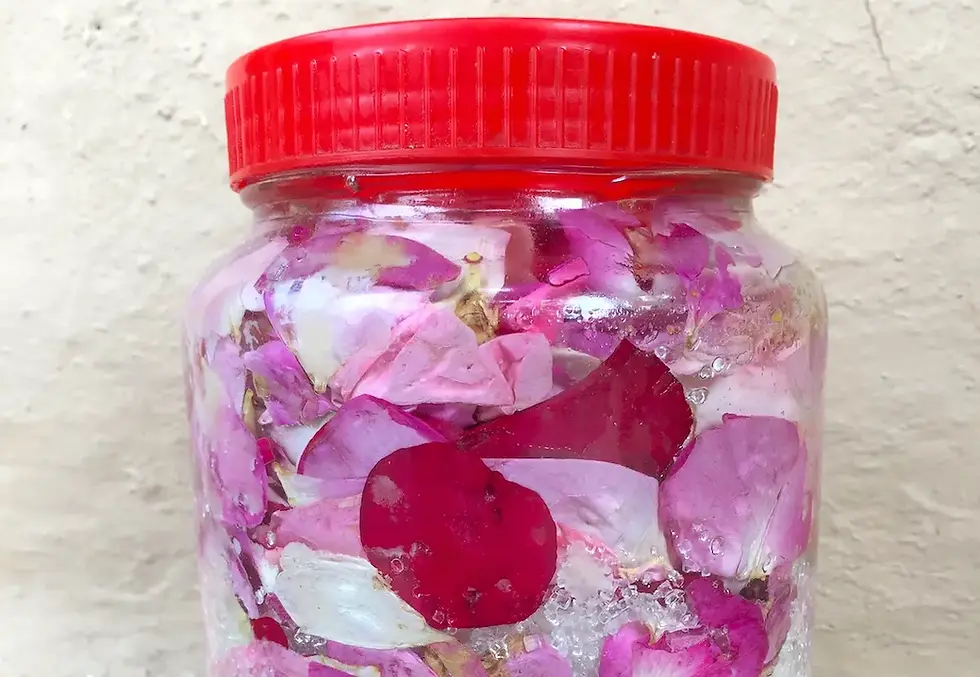
Gulkand is a traditional Ayurvedic preserve made by slow-curing fresh organic rose petals with unrefined sugar in the sun.
One of the key gulkand benefits is its ability to provide a concentrated cooling tonic specifically beneficial for hyperacidity, stomach heat, and digestive inflammation. Taking a teaspoon after meals gently calms excess digestive fire (pachaka pitta) while comforting the stomach lining.
Pairing this with a selection of Pitta-pacifying foods helps keep internal heat balanced all season.
Recommended Gulkand:
If you want a high-quality, ready-made option, Sunty Organic Damask Rose Gulkand is made with traditional organic pink Damask rose petals and natural unrefined sugar, making it a simple addition to your cooling daily routine.
2. Calming Overheated Eyes with Pure Rose Water
Because the eyes are considered a primary seat of Pitta dosha, long hours in front of screens or under bright sun often lead to strain and dryness.
Spritzing organic, food-grade rose hydrosol over closed eyes provides immediate relief. The astringent and cooling nature of rose calms skin flushing, eases redness, and refreshes fatigued vision.
Recommended Rose Water:
For a pure, food-grade option, SVA Ogranics Rosewater Facial Mist provides a soothing spritz made with hydroessential rose (not made with essential oils), perfect for refreshing strained, overheated eyes throughout the day.
3. Unwinding the Mind with Rose Petal Tea
Steeping dried organic rose petals into a hot or lukewarm infusion creates a delicate tea that directly calms Sadhaka Pitta. Drinking a cup during moments of afternoon stress or evening wind-down helps soothe emotional reactivity, ease tension around the chest, and invite a quiet sense of calm.
Recommended Rose Teas:
For convenient, fragrant tea bags, Suwirun Organic Rose Tea is a wonderful blend grown in northern Thailand. I actually discovered and bought these exact tea bags while traveling in Thailand, and they quickly became a favorite for a refreshing, cooling mug in the heat.
For loose tea, these Organic Culinary Rose Petals are ideal for steeping alone or into a custom cooling blend.
4. Nourishing the Skin with Rose Hydrosol
One of the primary rose water benefits is its ability to soothe surface skin irritation, warmth, or redness. Misting pure rose hydrosol on the face and neck acts as a natural toner that restores the skin's moisture barrier, working seamlessly alongside Ayurvedic home remedies for dry skin.
Its light quality hydrates without clogging pores, soothing sensitive or heat-reactive skin, making it the best friend of any woman experiencing hot flashes or night sweats.
Recommended Rose Water:
The same pure, food-grade SVA Organics Rosewater Facial Mist works beautifully here as a hydrating facial toner. A light spritz across the face and neck hydrates sensitive or heat-reactive skin while calming surface redness.
5. Enhancing Meditation with Rose Essential Oil
A single drop of pure rose essential oil placed over the heart center or diluted into a diffuser transforms the atmosphere during quiet reflection. The subtle aromatic molecules interact with the limbic system, helping quiet racing thoughts and encouraging a grounded, open heart space during practice.
Recommended Rose Otto:
Because pure Rose Otto (Rosa damascena) is exceptionally precious, many market options are heavily diluted with synthetic fragrances or cheaper oils. My personal favorite for pure quality is Anima Mundi’s Rose Otto diluted in jojoba oil. I love using a dab over the heart space during meditation.
6. Cooling Milk and Rose Bath

For whole-body heat release, adding pure rose hydrosol or fresh petals along with whole milk (or coconut milk) to a warm bath offers a deeply soothing ritual. The fats in the milk nourish dry skin while the cool energetics of rose draw out surface heat, leaving the body refreshed and deeply relaxed.
Using rose is one of the most effective ways of cooling Pitta dosha when heat accumulates during warm months. And I must say that I very much miss having a bathtub with me during my travels!
You can try my simple Homemade Nighttime Rose Milk Recipe to enjoy this calming bedtime ritual.
Recommended Additions for Your Bath:
Rose Hydrosol: You can use the same SVA Organics Rosewater Facial Mist poured directly into lukewarm bathwater to infuse the entire tub with cooling hydrosol.
Fresh Petals or Whole Tea: You can toss in fresh organic rose petals or steep a cup of loose Organic Culinary Rose Petals to add to the bathwater for a soothing, aromatic soak. Put the loose rose petals in a reusable tea bag to reduce cleaning time and save your drain.
7. Summer Nighttime Milk with Rose Water
Preparing a warm or lukewarm glass of milk infused with a splash of rose water and a pinch of soothing spices like cardamom provides an ideal bedtime ritual. This traditional combination settles lingering daytime heat, grounds restless energy, and prepares the nervous system for restorative sleep.
You can explore more cooling bedtime rituals to beat summer sleeplessness and build a complete evening routine.
Recommended Rose Water:
For a traditional, food-grade option to add to warm milk, Sweet Essentials Moroccan Rose Water is a pure, edible steam-distilled hydrosol that I've used to blend into nighttime drinks and cooling summer tonics.
Frequently Asked Questions About Rose in Ayurveda
What is the best time of day to use rose in Ayurveda?
Rose remedies integrate seamlessly throughout the day depending on the intention. Misting rose water over the face or eyes offers a refreshing pick-me-up during high-heat afternoon hours, while enjoying warm rose milk or tea in the evening encourages nervous system relaxation before sleep.
Can rose water be taken internally?
Pure, food-grade hydrosols distilled from organic Rosa damascena petals are safe and refreshing to consume. Checking product labels to ensure the rose water contains no synthetic fragrances, preservatives, or added alcohol guarantees a clean addition to drinks, teas, and recipes. When choosing rose products for internal use, always verify that labels specify food-grade hydrosols or organic culinary petals, and consult your healthcare practitioner if you are pregnant or managing specific medical conditions.
Is rose suitable for all Ayurvedic body types (doshas)?
Rose is tridoshic, meaning it benefits Vata, Pitta, and Kapha types when used thoughtfully. Its gentle cooling action primarily calms excess Pitta fire, while its sweet nature keeps Vata grounded without causing an accumulation of Kapha dosha.
How does rose essential oil differ from rose water (hydrosol)?
Rose water is the gentle, aromatic floral water created during steam distillation, making it light enough for direct skin hydration and culinary use. Rose essential oil (Rose Otto) is the highly concentrated lipid component of the flower, requiring dilution in a carrier oil like jojoba before applying to the skin or heart center (most brands will already be in a carrier oil).
Can dried rose petals from a garden be used for tea?
Homegrown rose petals work beautifully for teas and infusions provided the plants are grown organically without pesticides, chemical fertilizers, or synthetic sprays. Thoroughly drying clean petals in a well-ventilated, shaded space preserves their vibrant color, soothing aroma, and natural oils.
Ready to find your personal cooling balance?
Whether you are navigating seasonal heat, hormonal shifts, or daily stress, Ayurvedic wisdom offers gentle, personalized paths back to harmony. I invite you to book a free 15-minute discovery chat or schedule an initial consultation so we can connect, explore your unique mind-body profile, and discuss how simple daily practices can support your well-being.
Bringing Rose Rituals into Your Daily Routine
Restoring balance with rose in Ayurveda happens naturally through small, intentional moments of pause. Welcoming simple plant remedies into daily life allows steady, lasting calm to unfold effortlessly.
If heat, busyness, or emotional irritation feel present today, take a quiet breath and choose just one ritual that resonates with you. Whether that is a simple spritz of rose water before computer work or a warm cup of rose tea in the evening, inviting this gentle blossom into your Ayurvedic summer routine offers your mind and body a gentle place to rest.
Continue exploring:
References & Source Texts
Bhavamishra. (16th Century). Bhavaprakasha Nighantu (Pushpa Varga / Flower Section). English translation by Prof. K.R. Srikantha Murthy. Internet Archive Digitized Edition.



Comments